The Comprehensive Guide to User-Focused Web Design: Improve Conversions and Engagement
User-centric web design is pivotal in the modern digital environment. It emphasizes comprehending user expectations and tendencies. This strategy impacts every dimension of a digital platform, from site structure to written material. By focusing on mobile-friendly mandarin palace casino design and utilizing analytical tools, designers can enhance user experiences. The impact of these methods reaches far beyond basic functionality. They can substantially influence visitor retention and conversion metrics. What methods yield the greatest results in accomplishing these objectives? Investigating this matter brings critical discoveries to the forefront.
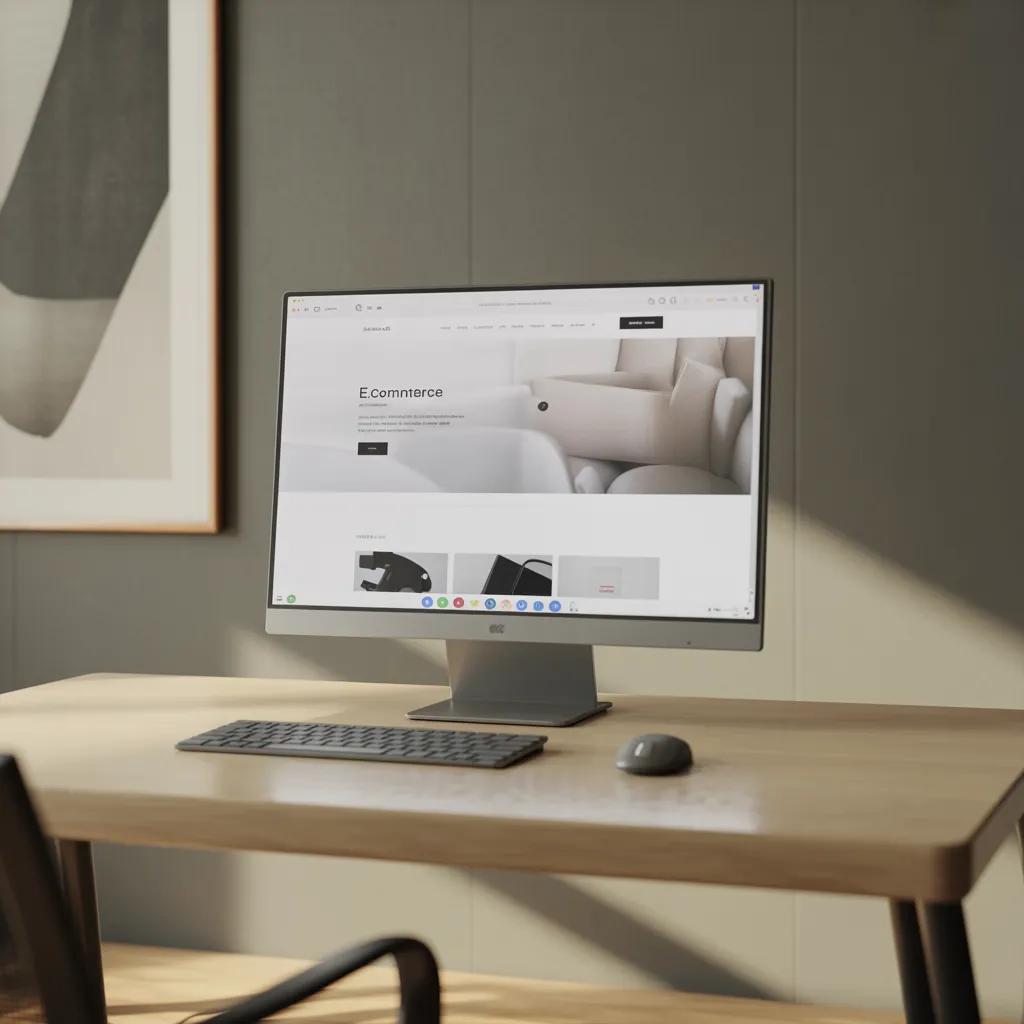
Understanding User Requirements for Successful Web Design
In what ways can designers genuinely grasp the needs of their users? Creating effective web designs requires them to participate in detailed research and analysis. This requires utilizing a range of techniques including user interviews, surveys, and usability testing. Through collecting qualitative and quantitative data, designers are able to pinpoint pain points, preferences, and behaviors of their target audience.
Examining audience personas helps in understanding different user types and their unique demands. Moreover, analyzing competitors can reveal important details regarding market expectations and requirements. Design teams should further evaluate audience behavior with current solutions to pinpoint aspects requiring refinement.
Incorporating feedback loops across the design process is crucial for enhancing results. By prioritizing user needs, design professionals can develop websites that not only bring in visitors but also encourage engagement and satisfaction. Ultimately, a thorough grasp of user requirements establishes the groundwork for effective, user-focused web design.
How User Expectations Drive Intuitive Navigation and Layout
User demands greatly impact the design of intuitive navigation and layout in web design. Comprehending these requirements ensures that users can effortlessly find information, facilitating a seamless browsing experience. Successful navigation is organized around users' cognitive models, which define how they expect to navigate and use a website. This harmony not only improves usability but also minimizes frustration, thereby driving significantly higher engagement rates.
Designs must emphasize clarity and accessibility, integrating well-known design conventions that users are accustomed to. Elements such as menus, buttons, and calls to action need to be deliberately arranged in alignment with user patterns and inclinations. Through performing audience analysis and interface evaluations, creators can uncover friction areas and behavioral tendencies, enabling them to craft designs that accommodate distinct user pathways. In the end, a people-focused strategy toward navigation and structure cultivates a more seamless experience, proving indispensable for maintaining audience interest and generating meaningful results.
Developing Compelling Content That Fulfills User Expectations
Creating compelling content requires a deep understanding of user needs and preferences. To efficiently capture the audience's attention, content creators must analyze audience behavior, interests, and pain points. This insight enables them to craft messages that connect with the target demographic, improving relevance and appeal.
Employing straightforward, precise wording and compelling visuals can greatly boost user involvement. Furthermore, using story-driven approaches serves to establish emotional connections, making the content more memorable. It is important to maintain a steady voice that reflects the brand identity while meeting user needs.
Additionally, adding dynamic components, like polls or quizzes, encourages meaningful interaction. Updating content on a regular basis makes certain it remains fresh and relevant, satisfying the shifting expectations of users. When focusing on quality and relevance, companies can build trust and loyalty, leading to improved engagement and higher conversion rates.
User-Centric Mobile Optimization for Accessibility and Usability
What elements play a role in efficient mobile optimization which focuses on usability and accessibility? Initially, adaptive design confirms websites adapt seamlessly to various screen sizes, enhancing user experience. Moreover, intuitive navigation is vital; straightforward menus and accessible buttons facilitate user interactions. Ensuring rapid load times is crucial, as mobile visitors anticipate swift access to data.
Furthermore, incorporating user-friendly features, such as text-to-speech functions and customizable font sizes, accommodates individuals with disabilities, expanding the user base. Utilizing high-contrast colors and readable typography boosts legibility, especially in outdoor settings.
Integrating user-friendly design features reduces user frustration, allowing users to engage effortlessly with content. Finally, conducting tests across various devices and platforms guarantees a seamless experience. By concentrating on these aspects, businesses can create mobile experiences that not only satisfy user requirements but also enhance overall engagement and conversion rates.
Instruments to Evaluate User Engagement and Conversion Success
Effective mobile optimization sets the stage for measuring user engagement and conversion success. A range of tools allow web designers and marketers to examine user behavior and monitor key metrics. Google Analytics continues to be a fundamental resource, providing data on user demographics, session duration, and bounce rates, assisting in pinpointing areas that need improvement. Heatmap tools like Hotjar and Crazy Egg visually represent user interactions, allowing designers to see where users click, scroll, and drop off.
Split testing platforms, such as Optimizely and VWO, facilitate experimentation with various design components to identify which variations produce improved conversion outcomes. Moreover, user insight platforms like SurveyMonkey and Typeform collect qualitative insights straight from users, offering valuable insights into their experiences. By utilizing these resources, organizations can create a more user-centric design that not only increases engagement but also elevates conversion rates, ultimately leading to improved overall business outcomes.
Popular Questions We Receive
What Are the Best Ways to Collect User Feedback?
To obtain user feedback successfully, one should employ usability testing, surveys, and interviews. Examining data using analytics tools and promoting open communication fosters a deeper understanding of user needs and preferences, ultimately improving product development.
What Are Typical Pitfalls in User-Centric Design?
Typical pitfalls in user-focused design include neglecting user research, creating overly complicated navigation, failing to address accessibility, failing to optimize for mobile, and ignoring feedback-driven iteration. Such mistakes can negatively impact user experience and decrease engagement.
How Regularly Should I Redesign My Website?
A website design should be refreshed every 1 to 3 years, depending on technological advancements, industry trends, and user feedback. Regular updates guarantee continued relevance, enhance the user experience, and maintain engagement with the target audience.
What Role Does Color Psychology Play in Design?
The psychology of color significantly impacts visual design by stirring feelings and influencing how things are perceived. Design professionals utilize the power of color to improve the overall user experience, influence how users behave, and establish brand identity, consequently influencing engagement and conversion rates on a wide range of digital platforms.
How Can Aesthetics and Functionality Be Balanced
Balancing aesthetics and functionality demands thoughtful attention to user experience. Designers ought to focus on intuitive navigation and accessibility while incorporating visually appealing elements, ensuring that beauty enhances usability as opposed to diminishing the overall effectiveness of the design.